

Tea Farm Mitocha
SHOW COLLECTION DESCRIPTION
(コレクションの説明を表示する)
Nostalgic Tea
Gentle Aroma
Mountain Tea
Tea Farm Mitocha began their adventure in the year 2013, specializing in a tea called “Tenbi Kamairicha”. Perhaps, the Japanese name can be quite a mouthful but more simply, it is known as a “Kumano Bancha”, a traditional folk tea from Kumano, Wakayama prefecture. It is a simple but perfect everyday tea, with a nostalgic and roasty aroma which can be enjoyed across multiple steeps.
Producing Tea that Impresses
Tea Farm Mitocha is located in a naturally abundant area in a village called Yamazoe (located in the Western part of Nara prefecture, it is not too far from the major tea producing regions in Kyoto such as Uji, Ujitawara, Wazuka, and MInamishiro). The young farmer Hiroki Kayashita started his career as a farmer with his wife in 2013 growing both tea and produce. The “bancha” from Wakayama prefecture (a.k.a. Tenbi Kamairicha) that they grow is a tea that was served to him at a welcoming teahouse before he made a decision to become a farmer. In fact, Kayashita-san was so touched by this tea that he decided he wanted to make this type of tea himself. The owner of the teahouse kindly introduced him to the tea master in Kumano who grew this traditional folk bancha. Even today, Kayashita-san continues to learn from his almost 90-year old master’s tea production every year (i.e., in Kumano, they have an earlier first harvest season in comparison to his tea farm) before he goes back to Yamazoe to tend to their own tea. From the very beginning, this has been Tea Farm Mitocha's tea production cycle. Learning and absorbing in Kumano, then growing their own characteristic teas in Yamazoe.
 Learning from the master in Kumano, Wakayama Prefecture.
A Traditional Folk Tea that Connects Past, Present, and Future
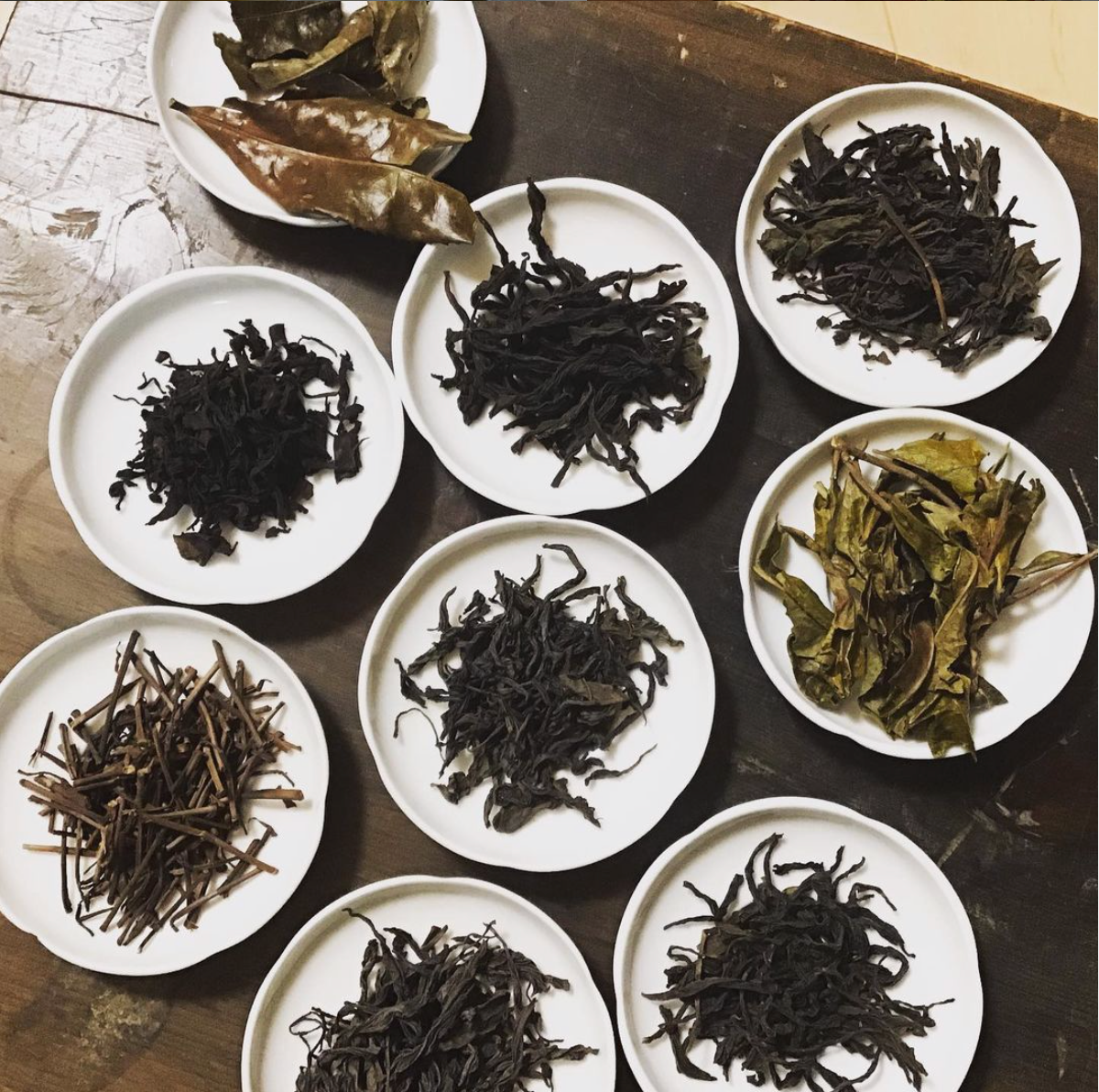
While you may think of banchas as tea made from leaves that have been allowed to grow to a very large size (usually harvested in the summer - autumn season), the Kumano bancha does not fall under this general definition of bancha. The Kumano bancha is a type of traditional kamairicha that has been preserved from the Kumano area, manufactured in a particular manner by kneading tea leaves roasted in a pot and drying them in the sun. One may think of this tea like the other rare traditional local banchas such as the awa bancha from Tokushima prefecture and the tosa bancha from Kochi-City. Furthermore, at Tea Farm Mitocha, the harvested leaves are left overnight - so their tea comes from a combination of ichoka (i.e., a process in which the harvested tea leaves are withered to enhance their scent), the kamairi processing method, roastiness, and a sweetness that can only be obtained from sun drying tea leaves.

Sun drying tea leaves at Tea Farm Mitocha.
While Kayashita-san’s tea is difficult to express simply with words, when you drink the tea, it may strangely allow you to soften, provoking a sense of nostalgia. In Wakayama Prefecture, the Kumano bancha is a tea that is typically used for tea porridge, so it is a tea that goes very nicely with meals and ochazuke. At Tea Farm Mitocha, Kayashita-san aspires to keep producing this traditional folk tea; a tea that is not overly elegant, but one that has been passed on throughout generations as an everyday tea.
Organic Tea Production without the Use of Chemical Fertilizers
In sencha and gyokuro tea production, what is sought after is the “umami”; however tenbi kamairicha is not about the umami. Therefore, Tea Farm Mitocha’s tea production does not require many fertilizers (i.e., in comparison to sencha/gyokuro production). At Tea Farm Mitocha, the cropping system relies mainly on fallen leaves, cut grass, and paddy. A small portion of organic JAS (Japanese Organic Regulation) certified fertilizer is applied to young tea bushes and tea bushes that have been pruned or those that have been dropped low. However, the cool climate in Yamazoe in the mountains also protects the tea bushes from insects and there is no need to sprinkle pesticides.
 A note about Tea Farm Mitocha’s produce: Produce is grown in parallel with their tea and pesticides are also not used when growing their vegetables. As far as fertilizers, a little bit of the JAS certified fertilizer is utilized.
Tea Farm Mitocha
#0615.N3 Mitocha NR001: Sun-dried Kamairicha (Light Roast) 天日干し釜炒り茶(軽焙煎)
Very low stock (2 units)Regular priceFrom JPY ¥420Unit price-
- OUT OF STOCK with no current procurement plans. If you would like to purchase, please contact us at help@yunomi-jp.pro for custom procurement or production.
Tea Farm Mitocha
#0616.N3 Mitocha NR002: Sun-dried Kamairicha (Dark Roast) 天日干し釜炒り茶(重焙煎)
Regular priceFrom JPY ¥420Unit price -
- OUT OF STOCK with no current procurement plans. If you would like to purchase, please contact us at help@yunomi-jp.pro for custom procurement or production.
Tea Farm Mitocha
#0620.N3 Mitocha NR006: Makibi Kancha Firewood Winter Green Tea (Aged) 薪火寒茶
Regular priceFrom JPY ¥300Unit price -
Tea Farm Mitocha
#0619 Mitocha NR005: Sun-dried Kamairicha Bancha 天日干し釜炒りばん茶
Very low stock (4 units)Regular priceFrom JPY ¥420Unit price-
Tea Farm Mitocha
#0618.N3 Mitocha NR004: Sun-dried Kamairicha Harubancha 天日干し釜炒り春ばん茶
In stock (15 units)Regular priceFrom JPY ¥400Unit price-
Tea Farm Mitocha
#0617.N3 Mitocha NR003: Aged, Sun-dried Kamairicha Namacha 天日干し釜炒り生茶
In stock (10 units)Regular priceFrom JPY ¥490Unit price-


